Pest Management throughout North York, ON: Area Parks, Museums and Landmarks
North York at a Glance: Why Pest Pressure Matters Locally
North York is a major district within the City of Toronto, and its mix of towering residential areas, commercial corridors, parkland, and older neighbourhood pockets creates a diverse set of pest conditions. For anyone researching pest control North York, the local context matters because pest pressure is not the same everywhere. A condo tower near a subway station, a restaurant strip along Sheppard Avenue, and a home backing onto green space can each face different risks.
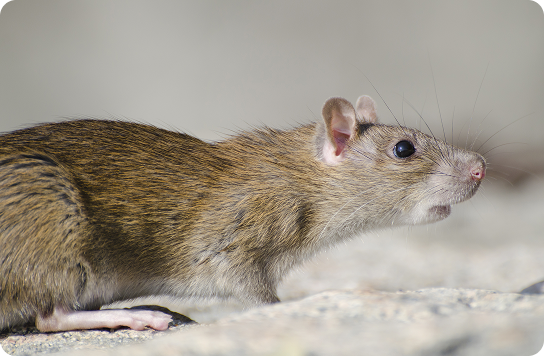
This is where urban pest pressure becomes a real concern. Dense housing can make rodents and insects move quickly between units, while busy retail and dining areas can attract cockroaches and ants. At the same time, seasonal pest activity increases around green spaces, ravines, and drainage corridors. In North York, that means prevention is often just as important as treatment.
North York also sits close to important natural systems like the Don Valley and the Humber River corridor. These green corridors support wildlife habitat and help shape local moisture, vegetation, and shelter conditions that pests use. For property owners, managers, and visitors, understanding the relationship between the built environment and these green spaces is a wise first step toward effective local pest control.
Park areas and outdoor spaces to Mention in North York
North York’s green spaces are one part of what makes the district attractive, but they also help show why pest activity can be higher in certain periods. Edwards Gardens and the https://richmond-hill-onna644.tearosediner.net/rodent-management-in-north-york-practical-solutions-for-residences-and-commercial-properties Toronto Botanical Garden are well-known spots for walkers, households, and horticulture fans. Their garden beds, cool spots, and continuous vegetation support insects and sometimes produce ideal conditions for mosquitoes, ticks, and other common pests.
The Don Valley trail system are an important nearby feature. As a natural corridor running through the wider Toronto area, the valley connects wet areas, wooded sections, and habitat edges. These shifting zones can encourage rodent activity and create routes for insects and wildlife. When storms roll through, stormwater and wildlife habitats may shift, creating additional moisture and cover that can increase pest movement near nearby homes and commercial properties.
For residents living near park borders, prevention often starts with simple awareness. Untrimmed shrubs, leaf litter, and neglected refuse near entrances can all increase the likelihood of pest sightings. This is especially true in buildings that sit close to green spaces, where insects and rodents may move from the landscape into entryways, storage rooms, or lower-level units.
Best Places for a green Visit
Sunnybrook Park stands among the best-known parks in North York, and it features wide open areas, forested areas, and trail access. G. Ross Lord Park is another excellent choice for visitors who prefer a more active nature outing, with recreation spaces and proximity to the Humber River watershed. Both parks can be ideal for hiking and family visits, but they also come with a greater risk of encountering ticks and mosquitoes during the warmer season.
This risk is not limited to the trails themselves. Dense grass, shrubs, and still water can all provide insect breeding and harboring areas. For people venturing out in spring and summer, pest prevention includes basic measures like using insect repellent, checking clothing after walking in grassy places, and avoiding long stops near dense plants. Visitors should also watch for infestation signs around picnic areas, garbage bins, and washroom facilities.
From a neighborhood pest control perspective, parks like these are signs that prevention is nature-based as much as structural. Managing waste, minimizing standing water, and maintaining clear boundaries between landscaped areas and buildings can decrease the chance that pests move from green spaces into homes, condos, or nearby food service businesses.
Galleries, Cultural Destinations and Covered Stops
In North York, indoor attractions present a different side of the district and can be a helpful break from outdoor exposure. The Aga Khan Museum is a major cultural destination with managed indoor spaces that tend to have lower pest pressure than park-adjacent areas, though any public building still depends on strong sanitation and ongoing inspection. The Toronto Centre for the Arts also receives steady foot traffic, which makes housekeeping and waste handling especially important.
Montgomery's Inn offers a traditional setting that adds another layer of pest management complexity. Older buildings often have more potential entry points, different wall cavities, and structural details that can allow mice, rats, or insects to move unseen. That is why indoor pest prevention in museums and heritage buildings usually blends monitoring, exclusion, and careful maintenance rather than relying on one-time treatment alone.
For visitors, these destinations are usually comfortable indoor stops, but they also highlight why sanitation and facility upkeep matter. Staff should watch for droppings, gnaw marks, and other infestation signs in storage spaces, kitchens, loading areas, and waste rooms. In any public venue, the goal is to reduce access to food, water, and shelter before pests become established.
Attractions and Neighbourhoods Worth Visiting
North York has a number of landmarks and neighbourhood corridors that visitors often use as reference points. Black Creek Pioneer Village is a remarkable spot because its historic structures and grounds can support seasonal pest exposure, especially around older wood elements and landscaped areas. It is a place where the character of the site and the realities of pest management intersect clearly.
Yonge and Sheppard is a major hub, known for its density, transit access, and mix of office towers, condos, restaurants, and retail. York Mills has a somewhat different feel, with residential streets and easy access to arterial roads and green corridors. Sheppard Avenue runs through many active parts of North York and serves as a practical anchor for understanding where commercial properties and residential buildings meet.
These neighbourhoods matter because different land uses create different pest conditions. A food court, a condo lobby, and a single-family home do not face the same pressure. The more mixed the area, the more important it becomes to monitor trash handling, shared storage, and service entrances. That is especially true when buildings are close together and pests can move between them quickly.
Where People Gather Around Transit and Retail Hubs
North York Centre is one of the most recognizable hubs in the district, with strong subway access, office towers, condos, and shopping plazas all within walking distance. Public transit hubs like this can support heavy foot traffic, and that traffic can increase the likelihood of pest transfer through bags, deliveries, waste zones, and shared building systems. This is one reason cockroaches and ants are often discussed in relation to busy retail and food areas.
Shopping plazas and restaurant clusters need special attention because crumbs, grease, packaging, and poorly managed waste can attract pests quickly. In shared buildings, a small issue in one tenant space can become a wider property management problem if it is not addressed early. Regular inspections, sealed waste storage, and prompt cleaning are key parts of local pest control in these settings.

For visitors, the advice is easy: notice cleanliness, keep from keeping food out in the open, and share pest concerns early if you are staying or operating in a nearby location. In multi-use areas, prevention is a shared responsibility across tenants, workers, and property supervisors.
Why Neighbourhood Infestation Concerns Are Most Prevalent in North York
The most frequent issues related to pest control North York include bed bugs, rodents, mice, rats, cockroaches, ants, and wasps. Each pest is tied to different circumstances, but the overall picture is easy to see: crowded housing, food service activity, transit access, and nearby green space can all support infestation if prevention slips.
Bed bugs often spread through travel, shared living, and second-hand furniture, which makes them a concern in condominiums, apartment buildings, and short-term stays. Rodents, especially mice and rats, are difficult to eliminate in North York because they can move through utility openings, gaps in foundations, and cluttered storage areas. Cockroaches often follow food and moisture, while ants can show up around kitchens, utility sinks, or exterior cracks. Wasps tend to be a seasonal concern around eaves, decks, bins, and outdoor dining areas.
Because these pests behave differently, a one-size-fits-all approach rarely works. Integrated pest management is usually the best framework because it combines inspection, targeted treatment, prevention, and follow-up. That approach is especially useful in residential buildings and commercial properties where pest pressure can come from several sources at once.
Seasonal Threats Near Parks, Condos and Restaurants
North York sees clear seasonal infestations, with summer insects becoming more active as temperatures rise. Ticks and mosquitoes are more common near parks, landscaped trails, and shaded moisture-prone areas. Condominiums near green space may also see more insects around balconies, loading docks, and waste stations if sanitation and maintenance are inconsistent.
Winter brings a different pattern. As temperatures drop, winter rodent entry becomes a serious concern because mice and rats look for warmth, shelter, and food indoors. That can make buildings near parks, ravines, and busy restaurant corridors especially vulnerable. Food establishments need to be careful year-round, since small gaps in service doors, bins, and delivery areas can create easy access points.
Dining establishments also face increased inspection pressure because small issues can lead to complaints, customer discomfort, or service disruption. Effective cleaning practices, sealed storage, and fast action on infestation signs help minimize the chance that a single seasonal problem becomes a bigger infestation.
Effective Avoidance Advice for Homes and Companies
Good control starts with closing off access points. Tiny fissures, gaps around pipes, damaged door sweeps, and broken screens can all allow pests inside. For homeowners and property managers in North York, a careful inspection of exterior walls, basement areas, and shared utility spaces can reveal the key vulnerabilities before pests take hold.
Trash control is also a major factor. Overflowing bins, poorly closed dumpsters, and scattered waste near entrances can attract rodents, cockroaches, and ants. In commercial properties, regular collection schedules and clean waste enclosures make a big difference. Sanitation should be treated as a standard operational priority, not just a reaction after pests appear.
Yard upkeep also matters, especially near park edges, condo courtyards, and restaurant patios. Keeping vegetation trimmed, removing standing water, and managing mulch and leaf litter can reduce shelter for insects and rodents. Around North York’s green spaces and residential buildings, regular upkeep often prevents more serious problems later.
For both homes and businesses, the best approach is ongoing prevention rather than one-time cleanup. Regular monitoring, prompt repairs, and clear cleaning routines reduce the chance of a recurring infestation. That is especially true in mixed-use neighbourhoods where residential buildings, food service, and retail are all close together.
When to Call a Pest Management Expert in North York
It is a good time to call a licensed exterminator when pest activity reappears repeatedly, moves outside one room, or shows signs of settling in and entry into the structure. If you see repeated waste, chew marks, insect tracks, or nesting material, an inspection can help identify the source and determine whether the issue involves mice, rats, bed bugs, cockroaches, ants, or another pest.
Professional inspection is also important when the problem affects several units or business space. In condominiums, one tenant’s complaint may be part of a shared building concern. In restaurants and other commercial properties, rapid response helps protect health, operations, and reputation. A qualified provider will usually use integrated pest management to blend identification, targeted treatment, exclusion, and monitoring.
Commercial pest control is especially useful in North York because of the district’s density and combined residential and commercial landscape. Service plans for offices, retail sites, restaurants, and multi-residential properties can include insect monitoring, rodent control, sanitation recommendations, and follow-up visits. If the issue is recurring, a structured program is often more effective than reactive treatments alone.
Answers About Pest Control in North York
What are the most common pests in North York, ON?
The most common pests in North York are bed bugs, rodents, mice, rats, cockroaches, ants, wasps, ticks, and mosquitoes. The level of risk depends on the property type, nearby food sources, building age, and proximity to green spaces or transit hubs.
How do parks and green spaces affect pest activity in North York?
Parks and green spaces can increase pest activity by supporting wildlife habitat, moisture, vegetation, and sheltered nesting areas. In places near Edwards Gardens, Sunnybrook Park, the Don Valley, or the Humber River system, ticks, mosquitoes, and rodents may be more active during certain seasons.
Are condominium and apartment buildings in North York more vulnerable to pests?
Yes, condominiums and apartment buildings can be more prone to pests because of shared walls, common waste areas, moving traffic, and multiple entry points. A problem in one unit can spread if sanitation, sealing, and property management practices are weak.
When should I call pest control North York for an inspection?
You should schedule an inspection as soon as you notice infestation signs such as droppings, bites, nesting material, scratching noises, or recurring insect sightings. Early inspection helps prevent a small issue from turning into a larger infestation.
What steps should businesses near Yonge and Sheppard take to prevent pest problems?
Businesses around Yonge and Sheppard should prioritize sanitation, waste control, sealing entry points, and routine monitoring. Because the area has heavy subway access, shopping plazas, restaurants, and dense commercial activity, pest prevention should be built into day-to-day operations and property management plans.