Signs You May Need Emergency Pest Treatment in Windsor
What is considered a pest emergency in Windsor?
A pest problem escalates into an emergency when the infestation is no longer contained, is causing visible property damage, or is creating a serious health risk for people or pets. In practice, that means you may need emergency pest control if pests are spreading rapidly, showing up in multiple rooms, or affecting food, sleeping areas, walls, wiring, or ventilation.
With pest control Windsor situations, urgency matters because local buildings often make it easier for pests to move fast. Windsor has many older homes with cracks, gaps, basements, and utility penetrations that become easy entry points. The city also has many multi-unit buildings, plus duplexes and apartments, where one untreated unit can allow pests to spread to neighbouring spaces. In commercial areas, especially around downtown Windsor, the university area, and food-service properties, a pest issue can escalate quickly because of constant activity, deliveries, and available food sources.
An emergency is also more likely when the problem involves live pests during the day, droppings, nesting signs, bad odours, or damage that suggests the pests are already well established. At that point, waiting usually allows more dispersal, more pollution, and a larger treatment plan later.
Obvious indicators you need urgent pest control
The most obvious warning signs of a serious infestation include droppings, nesting sites, visible structural damage, and live pests that keep appearing despite cleanup efforts. This usually means the pests are not just passing through; they are living, breeding, and likely using your property for shelter.
In Windsor, you should pay especially close attention to basements, crawl spaces, attics, kitchens, utility rooms, and wall voids. Those areas often hide nesting materials, concealed movement, and damage that can go unnoticed until the infestation is advanced. If you can identify more than one warning sign at once, the situation is often urgent.
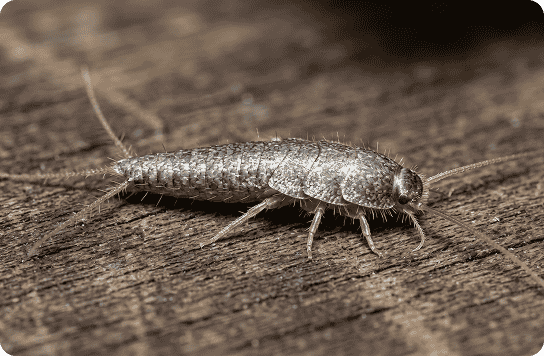
Noticing pests during the day
Finding rodents or cockroaches in daylight is one of the strongest signs of high infestation severity. These pests usually prefer hiding, so day-time sightings often mean hiding spaces are crowded or food and water conditions are pushing them out. If you see them during normal activity hours, the population may already be large enough to require urgent action.
For homeowners and property managers in Windsor, this is especially concerning in older houses and shared buildings, where pests can move from one unit to another or between floors. If you spot live pests in kitchens, bathrooms, storage rooms, or hallways, do not assume it is a one-time event. It often signals active breeding and a need for inspection, removal, and a targeted treatment plan.
Rattling, scurrying, or chewing sounds in walls
Scratching, scuttling, or gnawing noises inside walls often point to mice or rats, especially when the noises are most noticeable at night or early morning. These sounds can come from wall cavities, ceiling voids, or attic spaces, where rodents build hidden nests and travel routes.
If the scratching sounds are ongoing, the pests may already have established nests and access to food sources. In Windsor’s colder months, rodents are more likely to move indoors seeking warmth, protection, and regular food. Because they can chew through building insulation, drywall, and even electrical parts, this is not just a nuisance. It can create significant damage and a potential fire hazard if wiring is affected.
Repeated noise from the same area is a sign that you should arrange an inspection and exclusion quickly, especially if you also notice signs of droppings or torn insulation nearby.
Droppings, urine smell, or greasy trails
Rodent droppings, a strong urine scent, and oily smear marks or trails are clear evidence of frequent pest movement. These signs suggest the pests are there, but also routinely occupying the space. Once this level of activity is visible, contamination becomes a significant concern.
Droppings can appear in cupboards, along baseboards, behind appliances, in storage areas, and in basements. The issue is not just the mess; it is the risk of disease, food contamination, and unsanitary surfaces. That is why cleanup should be handled with care and proper sanitation procedures. A professional pest control team will usually focus on both removal and contamination control so the problem does not keep recurring.
If you notice fresh droppings every day, strong odours, or signs that pests are moving along the same pathways repeatedly, the infestation is active and urgent.
Bites, irritations, or allergic reactions
If family members or employees are experiencing unaccounted-for bites, rashes, or allergy symptoms, pests such as bed bugs or fleas may be responsible. Such pests can lead to painful and sometimes serious health symptoms, particularly in kids, seniors, and individuals with delicate skin or respiratory conditions.
Bugs like bed bugs are particularly troublesome because they spread through bedding, furniture, and shared walls. Flea infestations can be carried by pets but may also persist in carpets and upholstery. In multi family buildings, one unit can quickly affect another, which is why fast response matters. If bites are appearing in patches, are worse overnight, or continue after cleaning and vacuuming, you may need urgent extermination and inspection.
Allergy symptoms are also a reason not to delay. Continued itching, swelling, or respiratory irritation can signal that the pest issue is affecting the health of occupants, not just the comfort of the home.
Mud tubes, damaged wood, or swarms
Visible mud tubes, damaged wood, or sudden swarms are serious warning signs for termites and at times aggressive ant colonies. Termites can cause hidden wood damage for weeks or months before they are noticed, while certain ant species may build large colonies in walls, foundations, and exterior wood.
In Windsor, damaged baseboards, hollow-sounding wood, blistered paint, and small piles of debris near wood surfaces should be addressed promptly. These can indicate that structural materials are being weakened. Indoor swarms or near windows can mean a colony is mature and looking to expand, which raises the risk of further damage and spread.

Because termites and carpenter-style pests can compromise framing, flooring, and support materials, this type of problem https://search.google.com/local/reviews?placeid=ChIJhd43q64_K4gRhZowx9nOopk should be treated as pressing rather than routine prevention.
How Windsor homes and commercial spaces experience quickly moving infestations
Windsor properties often have circumstances that help pests spread quickly. Older homes may have settling foundations, cracks around pipes, loose siding, and basement moisture that create easy entry. Multi-unit housing can let pests move through walls, ceilings, and common areas, so a problem in one apartment can become a whole-building issue. That makes prompt response essential.
Commercial spaces add another layer of exposure. Commercial kitchens, restaurants, cafés, grocery areas, and storage rooms can provide food, warmth, and hiding places all at once. Near downtown Windsor and the university area, where activity stays high and deliveries are frequent, pests can move quickly if sanitation, sealing, and monitoring are not handled promptly.
Weather also plays a role. Windsor’s warm, humid summers can increase wasp activity, ant foraging, and breeding conditions for some insects. Colder winters push rodents indoors, especially into basements and utility spaces. Seasonal changes often force pests to seek shelter, which is why emergency calls can spike when temperatures drop or rise.
In a city with a mix of detached houses, duplexes, apartments, and commercial properties, the right response is often quick inspection, containment, and targeted extermination before the problem gets worse.
Which pests are most apt to need urgent service?
Some pests are more apt than others to justify swift action. In Windsor, the most common urgent cases involve rodents, bed bugs, wasps, and termites. Each brings a distinct kind of hazard, from contamination and bites to structural compromise and aggressive swarming.
Rodents are urgent because they can bite through materials, contaminate food, and create fire risks through chewed wires. Bed bugs are urgent because they spread quickly between sleeping areas and units, making them difficult to contain once established. Wasps can become a direct safety issue when nests are near entrances, decks, play areas, or commercial entryways. Termites are urgent because they may already be causing hidden structural damage before anyone notices.
Other pests can also create emergencies, especially cockroaches in food prep areas, fleas in homes with pets, and ants when colonies are nesting inside walls or around foundations. The key question is not just what pest is present, but whether the infestation is active, spreading, or putting people or property at risk.
What to do before the pest control team arrives
Prior to their arrival, focus on well-being, containment, and keeping the situation from worsening. Start with secure food storage: put open food in sealed containers or the refrigerator, and clear countertops where possible. This limits access and helps reduce contamination while you wait for service.
Then, think about pet safety. Move pets away from affected rooms, food bowls, and any treatment areas. If the issue involves fleas, wasps, or rodents, keeping pets separated can prevent injury and reduce further spread. For an active infestation, isolation of the area may be necessary, especially in bedrooms, kitchens, or storage rooms.
It is also useful to gather documentation. Take photos of droppings, damaged wood, nests, entry holes, dead pests, chew marks, or affected food packages. Record where and when you saw the problem, whether there are repeat sightings, and whether the issue is in one room or multiple units. Clear records can help speed up inspection and guide the treatment plan.
Avoid moving infested furniture too far, and refrain from seal every opening before an inspection if you are unsure where the pests are hiding. A professional may need to assess entry points, nesting areas, and the source of the spread before starting removal and proofing.

When to call pest control Windsor right away
Contact pest control Windsor immediately if the issue indicates rapid spread, presents a health hazard, or comes back despite your efforts. If you are seeing pests over and over, hearing them in walls, or noticing fresh droppings every day, the infestation is likely ongoing and unmanaged.
Prompt service is especially important when the problem involves sleeping areas, food preparation spaces, childcare areas, or business operations. In homes, repeated sightings of mice, rats, cockroaches, or bed bugs can quickly create serious sanitation concerns. In commercial spaces, especially food-service properties, a pest issue can cause contamination, customer complaints, and hindrance of daily operations.
If you live or work in a building with shared walls, shared plumbing, or multiple tenants, do not wait to see if it improves on its own. Pests in multi-unit buildings often spread between suites, which makes early intervention essential. The same is true in older housing stock, where gaps, basements, and utility penetrations can hide the source of the issue.
When there is a clear hazard, obvious damage, or ongoing recurrence, emergency response and monitoring are the right approach to stop the problem before it gets worse.
FAQ
What’re the most pressing signs of a pest infestation?
The most urgent signs are active pests during the day, fresh droppings, a strong urine smell, nesting materials, chewed wires, structural damage, and repeat sightings in multiple rooms. When the issue is spreading or affecting food, sleep, or safety, it is likely an emergency.
Can I wait a few days before calling pest control?
If the signs are minor and isolated, a short wait may be possible, but true emergency signs should not be delayed. Waiting can allow the infestation to spread, increase contamination, and make removal more difficult. If you suspect rodents, bed bugs, wasps, or termites, the sooner, the better.
Are rodents and bed bugs considered emergencies?
Yes, they often are, especially when there are repeat sightings, droppings, bites, or signs of nesting. Rodents can cause damage and health risks, while bed bugs spread quickly and can be hard to contain. In shared housing, both can move between units and become much worse fast.
What should I do if I see wasps or a nest near my home?
Keep away from the nest, keep children and pets clear of the area, and avoid disturbing it. Wasps can become aggressive when threatened, especially if the nest is near doors, patios, or entrances. Contact emergency pest control if the nest is active or in a high-traffic area.
How fast can emergency pest control respond in Windsor?
Response times vary by provider and the severity of the issue, but emergency pest control is designed for urgent situations and may offer 24/7 service. If the infestation is severe, involves health hazards, or affects a business, call as soon as possible so inspection and treatment can be scheduled quickly.
Mosquito Man Windsor
2485 Front Rd, LaSalle, ON N9J 2C5, Canada
+1 226-526-4711
https://maps.app.goo.gl/JwhSC65zfbLWNH6v7
https://mosquitoman.ca/pest-control/windsor/
42.2161228, -83.1003005