What Parts in My Home Should Be Treated for Pests in North York?
How North York Homes Need Focused Pest Treatment
Reliable pest control North York homeowners can trust commences with recognizing how pests access various parts of the home. In North York, ON, the mix of detached homes, semi-detached houses, townhomes, and condo buildings creates many shelters and access routes for common household pests. Older houses may have deteriorated building materials and more entry points, while newer builds can still develop gaps around utility penetrations, vents, and shared walls.
Regional conditions matter too. Cold winters drive house mice and Norway rats indoors for warmth and food sources. Spring moisture often adds to pressure around basements and lower-level spaces, while late-summer insect activity can bring more wasps, ants, and further invaders near eaves, rooflines, and outdoor living areas. In dense residential streets with mature trees, laneways, alley access, and closely spaced properties, pests can move quickly from one building to another.
A targeted approach looks at harborage, nesting sites, food sources, and entry gaps instead of treating only the places where pests are visible. That is why an inspection-led strategy and a tailored treatment plan are so crucial. With integrated pest management, the goal is not just to knock down activity, but also to support exclusion, sanitation, monitoring, and preventive maintenance that reduce the chance of a recurring problem.
Which Areas of the Home Should Be Treated?
In most North York homes, treatment for pests should concentrate on the rooms and structural zones that provide food, water, shelter, and access. The most important areas usually include the kitchen, basement, attic, and exterior entry points. In condo-style living, shared walls, plumbing chases, and common utility areas can also turn into pathways for insects and rodents. In townhomes and semi-detached houses, the same pests may move through connected wall spaces, gaps near service lines, or cracks in the foundation.
The best pest control strategy is space by space, because various pests prefer different conditions. Rodents often stay low and close to wall gaps. Insects like cockroaches and silverfish seek moisture and hidden seams. Birds, squirrels, and wasps are more inclined to use higher exterior areas, vents, and roof edges. A full inspection should take into account how each area connects to the next, since pests seldom stay in only one location once an infestation begins.
Kitchen Areas and Pantry Areas
Your kitchen is a top area to check because it concentrates food crumbs, grease, water, and storage. Even a tiny amount of spilled cereal, pet food, or unsealed pantry goods can attract rodents and cockroaches. In North York homes, kitchen cabinets are particularly important because pests often pass through cabinet voids, appliance gaps, and spaces behind kick plates where they can remain concealed.
Give close focus to the area behind the fridge, stove, and dishwasher. These locations can accumulate crumbs and moisture, creating an ideal feed and shelter zone. Pantry shelves, under-sink storage, and gaps around pipes should also be checked. In condo units and stacked townhomes, pests can move through shared plumbing walls and cabinet runs, so a kitchen problem in one unit may have roots in an adjacent space.
A thorough management plan for the kitchen typically includes sanitation, exclusion, and follow-up. That means wiping up spills quickly, placing food in hard containers, limiting clutter in drawers and cupboards, and repairing cracks or gaps around cabinets and baseboards. When cockroaches are involved, hidden seams and warm mechanical areas may need targeted safe application as part of an integrated pest management approach.
Lower levels, Laundry areas, and Utility rooms
Basements stand as one of the primary treatment areas in North York because they often mix moisture, storage, and structural access. Early spring thaw, strong rainfall, and seasonal humidity can all increase dampness near floors and walls. That moisture lures silverfish, creates mouldy conditions, and gives mice and other pests better shelter. Laundry rooms, furnace rooms, and utility spaces often sit in the same zone, making them a common corridor for pest movement.
Look for cracks in the foundation, openings around pipes, utility openings, sump areas, and unfinished wall sections. These are typical access points where rodents and insects can get inside. In older North York residences, especially homes with basement suites or partially renovated lower levels, small structural weaknesses can turn into dependable nesting spots. Completed basements can also mask infestations behind drywall, under stairs, or in storage closets.
Because basements frequently combine concealed voids and damp areas, they gain from routine maintenance and monitoring. Reducing moisture with dehumidification, repairing leaks, and organizing storage can make the area less attractive. When droppings, gnaw marks, or repeated sightings are observed, treatment should focus on both the active infestation and the access points that allowed it to start.
Attics, Rooflines, and Eaves
Attics are a regular target for wildlife and wasps. In North York, squirrels often enter through compromised soffits, loose shingles, or openings near roof vents. They may tear at insulation damage as they create nesting sites and move across the space. Wasps may also set up nests near rooflines, eaves, and sheltered corners where activity is less visible from the ground.
These upper spaces play a role because once pests enter the attic, they can stay concealed for long periods. Squirrels may chew on wiring, ruin insulation, and leave strong odours or debris. Wasps can become a hazard near exterior roof edges and attic access points, especially in late summer when seasonal activity intensifies. Homes on tree-lined streets or near mature backyards can face more pressure because branches provide access routes to the roof.
Any attic treatment should begin with a detailed inspection of vents, fascia boards, soffits, and roofline transitions. Exclusion is vital here: even the best treatment will not last if access openings remain. Blocking entry while protecting ventilation is a critical part of safe application and long-term prevention.
Bathrooms and Plumbing Chases
Bathrooms can harbour pests because they combine warmth, humidity, and hidden plumbing access. Small leaks under sinks or around toilets can create enough moisture to attract cockroaches and centipedes. Drain access points, vanity voids, tub surrounds, and wall cavities around pipes can all serve as secret routes.
In North York homes, bathrooms connected to older plumbing systems or basement suites may be particularly vulnerable. Cockroaches can enter through wall gaps and plumbing chases, while centipedes are often drawn to damp environments where they can find small insects to feed on. Even in newer homes, poorly sealed pipe penetrations can create reliable access for pests moving between floors.
The most effective bathroom treatment strategy includes fixing leaks, improving ventilation, and sealing openings around pipework. Regular cleaning and monitoring are also important, especially in less-used bathrooms where pests can go unnoticed. If you see repeated activity, the issue may be deeper in the wall cavity or tied to a nearby utility space.
Garages, Mudrooms, and Storage Areas
Garages, mudrooms, and storage rooms are often https://richmond-hill-onna644.tearosediner.net/how-to-tell-the-distinction-between-mice-and-rat-droppings overlooked, but they can be good shelter areas. Cardboard boxes, stacked holiday decorations, sports gear, and general clutter create hidden nesting sites and make inspection harder. These areas can also give access to spiders, which often settle in undisturbed corners, and to rodent nesting activity if mice or rats can move in through gaps near doors or walls.
North York garages are especially relevant where houses open onto laneways, narrow driveways, or shared side passages. Standalone homes and townhomes with rear access can create more opportunities for rodents to come from outside cover into storage areas. Mudrooms can also become transition zones where pests come in on packages, shoes, or stored items.
For this reason, storage spaces should be considered part of the overall home plan. Use sealed containers instead of cardboard, limit clutter, and keep items off the floor when possible. A clean, organized garage is simpler to inspect and less likely to allow long-term pest survival.
Exterior Perimeter, Doors, and Windows
Exterior protection is as important as indoor treatment. The home perimeter, especially around doors and windows, should be checked for damaged weatherstripping, broken seals, and foundation gaps. These small openings can allow ants, bees, mice, and many other pests to enter. In North York, where temperature swings and freeze-thaw cycles can widen cracks over time, these gaps often become easier to spot as the seasons change.
A complete perimeter review should include basement windows, utility entrances, garage doors, side doors, and any spots where siding meets masonry. Ant trails often begin outside and lead directly to food or moisture indoors. Bees may establish nesting activity near soffits, gaps in trim, or sheltered exterior surfaces. Keeping the perimeter sealed is one of the strongest ways to reduce repeated indoor infestations.
Exclusion work on the exterior supports the rest of the treatment plan. If pests can still travel freely through entry gaps, interior treatment will have limited success. That is why a professional approach often starts outside and then moves inward.
Which Pests Often Impact North York Homes?
Many pests show up frequently in North York homes because of the area’s seasonal climate, housing mix, and density. The most common are mice, rats, cockroaches, and ants. You may also see spiders, silverfish, wasps, and squirrels, depending on the time of year and building type.
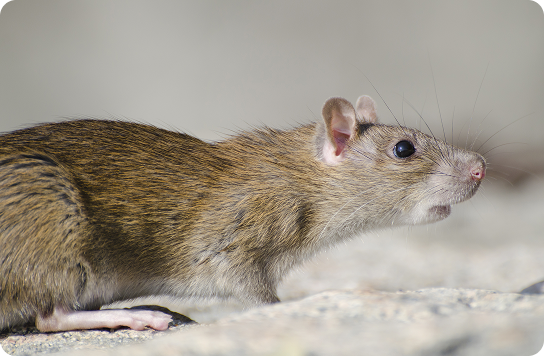
House mice are one of the most common indoor invaders, especially during colder months when they seek shelter and a food source. Norway rats are more likely to use lower structural routes, basements, and outdoor edges near foundations. German cockroaches are a major concern in kitchens, bathrooms, and multi-unit buildings because they spread quickly and stay well concealed in cracks and appliance voids. Ants often travel from exterior nesting sites into kitchens and pantry areas, especially when the weather warms up.

Spiders, silverfish, and wasps may not always indicate the same level of indoor contamination as rodents or roaches, but they still point to environmental issues such as moisture, access gaps, or nearby nesting sites. Squirrels are a particular concern in attic spaces and rooflines. In dense North York neighborhoods with mature trees and closely spaced buildings, these pests can move between properties with less difficulty than many homeowners expect.
Warning Signs Each Area Needs Treatment
Being aware what signs to watch for can allow you to respond ahead of a minor issue becomes a bigger infestation. In any area of the home, the key warning signs include feces, gnaw marks, stale odors, and active insects. These clues may show up differently depending on the room and the pest involved.
In kitchens and pantries, pellets near cabinets, torn packaging, or grease trails can indicate rodent or cockroach activity. In basements, gnaw marks on stored items, wiring, or baseboards often indicate mice or rats. Musty odors may indicate hidden moisture, nesting, or long-term pest presence in a closed-off area. Live insects around sinks, drains, window frames, or light fixtures can indicate where pests are entering or gathering.
In attics, scratching sounds, insulation disturbance, and urine-like odours may point to squirrels or rodents. In bathrooms, small insects near drains or vanities often suggest leaks or plumbing access problems. Around garages and storage areas, spider webs, shredded material, and hidden movement behind boxes can show that the area is being used as a nesting site.
Because pests often move between zones, signs in one area can mean the source is somewhere else. This is why inspection should cover the whole home, not just the spot where the pest was first noticed.
When to Call a specialist in North York
It is the right time to contact a specialist when pest activity comes back repeatedly, moves into multiple rooms, or is hard to locate. A thorough inspection can find the cause of the problem, assess how pests are entering, and create a targeted treatment plan. This is especially useful for a recurring infestation, since repeated sightings often mean the main causes have not been removed.
Professional integrated pest management combines identification, monitoring, exclusion, sanitation, and safe treatment. Instead of simply relying on a single product, the approach focuses on the conditions that allow pest survival. That may include repairing foundation cracks, sealing entry points, reducing moisture, improving storage, and treating active zones in a way that matches the home layout.
In North York, this is especially effective for older detached houses, basement apartments, and buildings with shared walls or common utility lines. A professional can decide where safe application is needed and where preventive maintenance will make the biggest difference. If you have signs of rodents, cockroaches, or wildlife in more than one area, professional help is usually the fastest way to regain control.
Avoidance Advice for North York Homeowners
Protection works best when it fits the way pests behave in North York homes. Begin with with sanitation: clear away crumbs, clean counters, take out garbage often, and store pantry goods in sealed containers. Limit accessible food sources in kitchens, dining areas, garages, and mudrooms. This step is especially important in homes with children or pets, where food debris can build up quickly.
Then, focus on sealing entry points. Look around doors, windows, vents, utility lines, and the foundation. Restore damaged caulking, install or replace weatherstripping, and seal entry gaps where pests can travel. This strengthens exclusion and helps stop rodents and insects before they get inside. In homes with basements or older masonry, small cracks should be addressed early, before they become major access routes.
Humidity control is a further key part of prevention. Run dehumidifiers where needed, fix leaks promptly, and keep bathrooms and laundry areas well ventilated. Moisture control reduces attraction for silverfish, cockroaches, and other insects that thrive in damp spaces. A drier home is also less appealing to pests that search for hidden shelter.
Lastly, don’t ignore yard maintenance. Cut back overgrown shrubs, keep firewood away from the house, remove debris, and maintain clear space around the foundation. In North York, where mature trees and dense residential streets can increase pest pressure, outdoor maintenance helps reduce access routes and nesting sites near the structure. Regular monitoring and preventive maintenance make it easier to catch problems early.
Questions and Answers: Pest Inspection Zones in North York Homes
Which rooms in my North York home should be checked first for pests?
You should usually check first the kitchen, basement, bathrooms, and garage. These spaces provide food sources, moisture, and hidden access points, so they are the most common starting zones for pest activity in North York homes. For condo or townhome residents, a condo or townhome, also check shared-wall areas and utility spaces.
Do I need pest treatment in both the basement and attic?
Often, yes. Basements and attics are two of the most common hiding places for pests because they offer shelter, nesting sites, and less traffic. Mice, rats, silverfish, squirrels, and wasps may use both zones, so an effective treatment plan should consider the whole structure rather than only one level.
How do I know if pests are coming in through the exterior?
Look for signs near doors, windows, vents, and the foundation. Gaps in weatherstripping, foundation cracks, and entry gaps around pipes are common access routes. If you see droppings, gnaw marks, or live insects appearing near exterior walls, the pests may be entering from outside through those weak points.
Which pests are most common in North York homes?
The most common pests in North York homes include house mice, Norway rats, German cockroaches, ants, spiders, silverfish, wasps, and squirrels. Their activity varies with seasonal activity, housing type, and moisture levels, but all of them can become a concern in detached houses, townhomes, and condo buildings.
When is it time to schedule a professional pest inspection in North York?
Book a professional inspection as soon as you see repeated signs of infestation, such as droppings, gnaw marks, musty odors, or live insects. You should also call if pests are appearing in more than one area, if you suspect a recurring problem, or if you need a safe treatment plan that fits your home’s layout and structure.